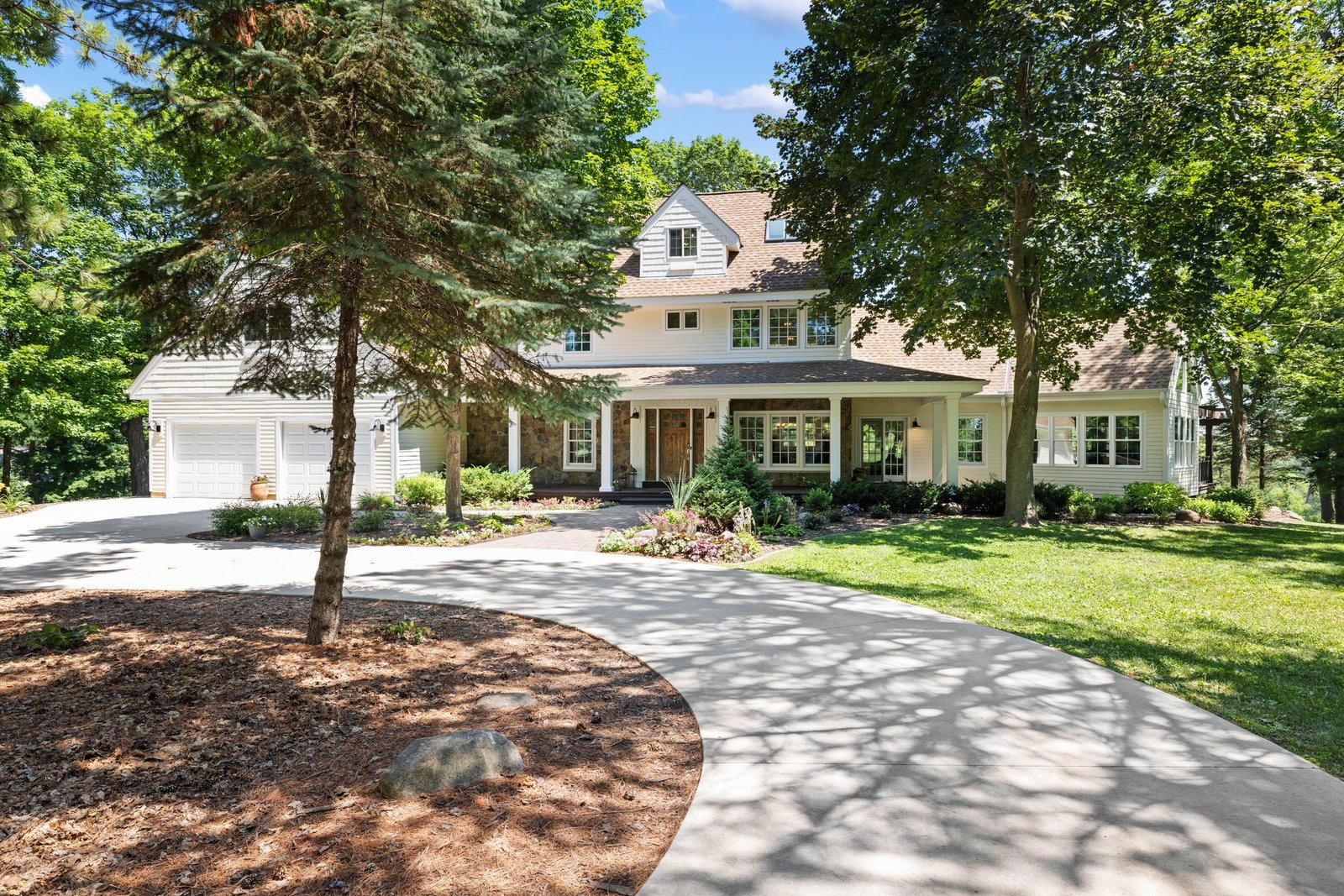
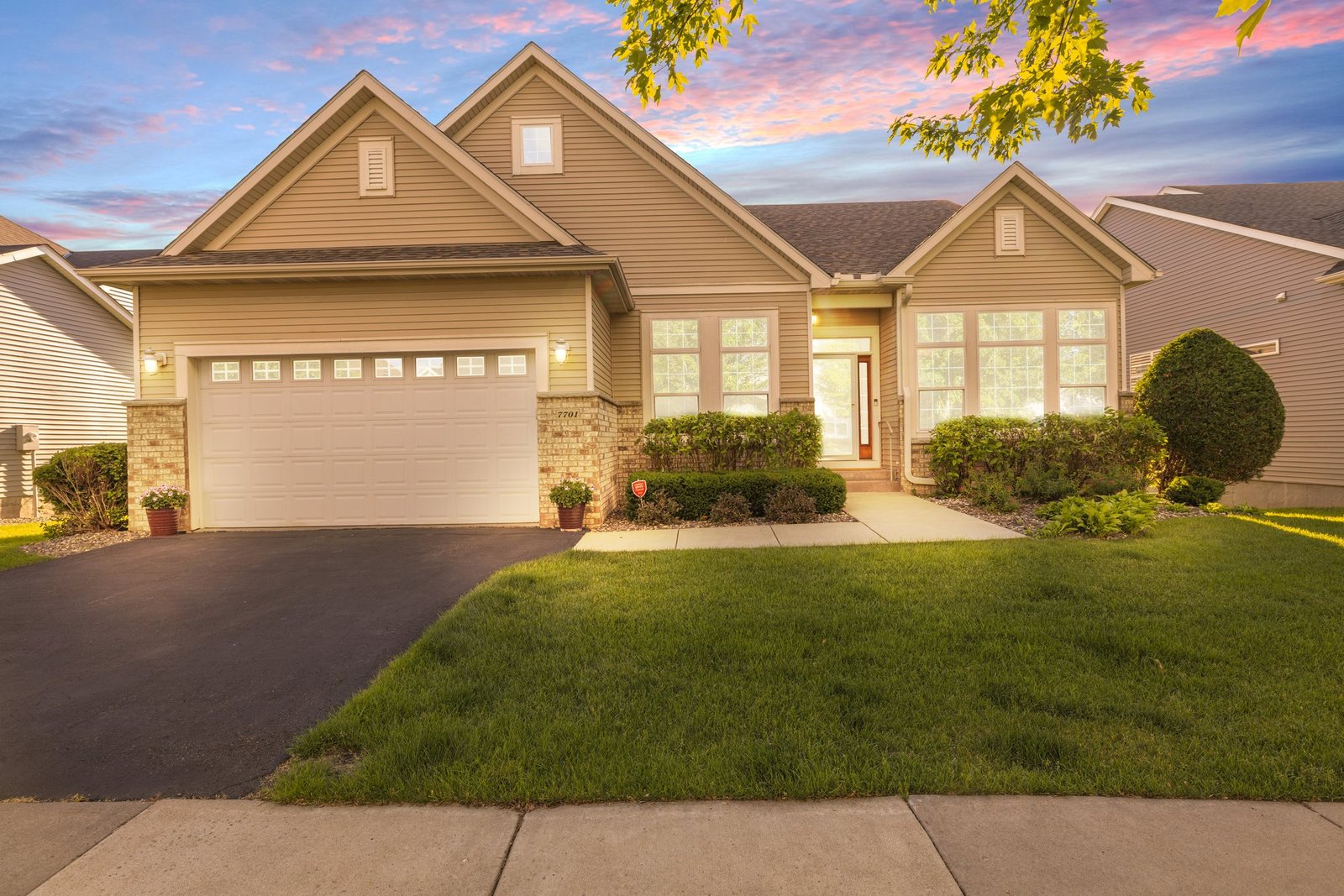
What Is HDR Real Estate Photography? (And Why It Makes Your Listings Look Better)
If you've ever looked at a listing photo where the view outside the windows was completely blown out to white, or a room looked dark and shadowy even though it was clearly a sunny day, you've seen what happens when a camera can't handle the difference between the bright outdoors and the relatively dim indoors. It's one of the most common problems in real estate photography — and HDR is how professional photographers solve it.
HDR in Plain Language
HDR stands for High Dynamic Range. It refers to a photography technique where multiple exposures of the same scene are captured and blended together in post-processing to create a single image that shows detail in both the darkest shadows and the brightest highlights simultaneously.
Here's the practical version: your camera's sensor can only capture a limited range of light values in a single shot. A room with windows on a sunny day might have highlights (the outdoor view) that are 10x brighter than the shadows in the room's corners. In a standard single-exposure photo, you either expose for the room (windows blow out to white) or expose for the windows (the room goes dark). Either way, you lose something important.
With HDR, a photographer takes 3–9 exposures at different shutter speeds — one properly exposed for the room, one for the windows, and several in between — then uses editing software to blend them into a composite image that preserves detail throughout the entire frame. The result: a photo where you can see the beautiful backyard through the windows AND see the hardwood floors, crown molding, and natural light falling across the kitchen counter.
What HDR Real Estate Photos Actually Look Like
Done well, HDR real estate photography looks natural and vivid. Not oversaturated or "glowing" — just genuinely bright, clean, and detailed. The kind of photo where you can see a home the way your eyes would actually see it if you were standing in the room.
Done poorly, HDR looks artificial — over-processed, with halos around window frames, colors that look slightly wrong, and a quality that experienced buyers immediately recognize as cheap editing. The technology is the same; the difference is the skill of the photographer and the time invested in post-processing.
This is one of the clearest cases where "professional" actually means something. A photographer who shoots HDR properly will spend 45–90 minutes editing a full home's worth of photos to get the tones, colors, and light right. A high-volume provider cutting corners might spend 5 minutes on automated batch processing. You can tell the difference immediately.
Why HDR Is the Industry Standard for Real Estate Photography
Ten years ago, HDR was a premium technique. Today, any professional real estate photographer working in the Twin Cities metro — or anywhere in the US — should be shooting HDR as a baseline. If someone is offering you real estate photos without HDR, they're offering you a product that will look noticeably worse than what your competitors are putting in their listings.
The reason it became standard is simple: it's what the photos need to look right. Real estate interiors are almost universally challenging to expose correctly in a single shot. Window light, mixed artificial and natural light sources, dark corners against bright ceilings — these are conditions that single-exposure photography can't handle cleanly. HDR was adopted because it solves a real and consistent problem.
HDR vs. Flash vs. Ambient Light: What's the Difference?
There are three main approaches to real estate interior photography:
Ambient Light Only
The photographer relies entirely on available light — turning on every light in the room and using a wide aperture and slow shutter speed. This approach can produce beautiful photos in rooms with ideal natural light conditions, but it fails completely in dark rooms, rooms with complex mixed lighting, or on overcast days. It's also very dependent on the skill of the photographer in post-processing.
Flash/Strobe Photography
Using off-camera flash or strobe lighting to supplement or replace natural light. In the right hands, this produces extremely clean, well-lit results — but it requires significant equipment and expertise, and when done poorly it looks harsh and artificial. Common in commercial photography; less common (and less necessary) for residential real estate.
HDR (Multiple Exposure Blending)
The most common professional technique for residential real estate. No additional equipment required beyond the camera, and when executed properly it produces consistently excellent results across a wide range of lighting conditions. It's fast, reliable, and scalable.
Many professional photographers — including Cineminn — combine HDR with flash techniques for specific shots (like darker rooms or spaces with very challenging lighting) to get the best possible result in every situation.
What Questions to Ask When Hiring a Real Estate Photographer
When evaluating photographers in the Twin Cities, ask specifically:
- Do you shoot HDR or single-exposure? If single-exposure, how do you handle windows?
- How many exposures do you shoot per frame? (3–7 is standard)
- Do you edit in Lightroom/Photoshop manually, or use automated batch processing?
- Can I see examples of photos taken in rooms with bright windows? (This is the toughest test)
- What's your editing turnaround? (Same-day to next-day is professional standard)
The answers will tell you a lot about whether you're hiring a professional operation or a side-hustle photographer with decent equipment but limited post-processing skill.
See the Difference
The best way to understand what professional HDR looks like is to look at it. Browse our portfolio and pay specific attention to the window views in interior shots — that's where the HDR technique is most visible and most impactful.
Every photo in our portfolio was shot with full HDR technique, manual editing, and delivered the morning after the shoot.
→ Book your next shoot starting at $390, with 9 AM next-day delivery guaranteed.
→ Get the free Listing Launchpad toolkit — AI listing writer, headline generator, and more for Twin Cities agents.
Try Cineminn on your next listing.
The Shoot ($390) · The Feature ($999) · The Premiere $1,499 · or test The Premiere ($1,499) where we shoot the listing AND run a 14-day buyer-side ad campaign. 5 inquiries in 14 days, or we manage it free until you get them.
See Lead Guarantee →